








Hollywin Casino platform Animation Smoothness Evaluated by NZ Perfectionist


I review platforms with an obsessive eye for digital fluidity. Located in New Zealand, I didn’t just see Hollywin Casino as a place to gamble. I viewed it as a piece of high-performance software that needed to meet standards. Here, internet quality varies from Auckland’s fibre to the slower speeds in rural Otago. A platform’s performance isn’t a bonus; it’s mandatory. I spent days subjecting Hollywin through a battery of tests, zeroing in on the single element that transforms a good experience into a great one: animation smoothness. Every reel spin, every menu shift, every flash of celebratory light was scrutinised by this Kiwi perfectionist. I prize a fluid interaction as much as a hefty bonus. This review outlines that analysis. It’s a thorough look at the frame rates, the loading precision, and the visual polish Hollywin offers its players. It’s crafted for the New Zealander who spots a stutter from a mile away and truly appreciates a perfect glide.
How Animation Smoothness is a Critical Metric for Casino Play
A person glancing briefly might think fluid casino animations are only a cosmetic touch. After years of reviewing platforms across New Zealand, I view it differently. It’s a pillar for trust, engagement, and a sense of fairness. A stuttering reel spin or a glitch in a card deal shatters immersion. It tears you out of the moment and makes you wonder about the tech underneath. When real money is on the line, that doubt can turn to suspicion about the game’s integrity. Smooth animations also point directly to solid software engineering and clean code. A platform that delivers a steady 60 frames-per-second has likely dedicated similar care into its encryption, its random number generators, and its customer support. For a player in New Zealand, this means a session that’s more pleasurable and, more importantly, more dependable. The technology itself disappears, letting the actual thrill of the game come through.
The Cognitive Effect of Fluid Visuals and Player Trust
Visual fluidity and user perception are intimately tied in our minds. A stuttering interface whispers of instability, a lack of control. Those are the precise emotions you don’t want when you’re putting money down. But when animations are flawless—when a wheel spins with a consistent, weighty momentum, or winning symbols light up in a fluid cascade—it speaks of slick professionalism. It feels dependable. This matters to New Zealanders. We might have a down-to-earth ‘she’ll be right’ attitude, but we have zero patience for sloppy workmanship. A uninterrupted visual experience gently persuades us that the internal workings, the algorithms governing our wins and losses, are built with the same care. It begins a non-verbal conversation about competence between the casino and the player. That creates a baseline of confidence, which is everything for long-term enjoyment.
Technical Demands on New Zealand’s Internet Infrastructure
The structure of New Zealand’s internet creates a distinctive test. Major cities have world-class fibre. But players in remote areas, from the Coromandel bays to Canterbury’s high country, often rely on variable broadband or satellite links. A well-optimised casino needs to function gracefully across this entire range. Smooth animation isn’t just about graphical power. It’s about smart asset loading, efficient data use, and adaptive streaming. A platform that loads in advance key graphics, or reduces flashy effects on a slow connection, displays respect for its entire audience. My evaluation for Hollywin encountered this Kiwi reality. I didn’t simply check its performance on a gigabit line in Wellington. I also noted how it handled under constrained bandwidth, mimicking a rainy night on a farm in Manawatū.
Hollywin Casino Interface and Navigation A Seamless First Impression
The focus on a fluid interface was evident from my first visit at the Hollywin site. The main page loaded quickly, with a progressive render that felt purposeful, not haphazard. Navigating the homepage, with its animated banners and game thumbnails, stayed uniformly smooth. I saw no apparent re-paints or layout shifts, a common nuisance on rougher sites. Hover effects on buttons and game tiles were prompt and subtle. They gave physical feedback without feeling cheap. Moving between the lobby, promotions page, and banking felt cohesive. The transitions seemed natural, like moving through a well-made app instead of a website. This finesse in the core interface sets a high bar before you open a single game. It indicates that Hollywin knows it. Foundational performance is crucial to its New Zealand audience.
Menu Functionality and Page Transition Fluidity
Looking closer, the main navigation menu on Hollywin works with a refined fluidity. When you access it, it slides in with a gentle easing curve. It doesn’t just pop in jarringly. This attention to easing—the mathematical tweaking of an animation’s speed—is a hallmark of good front-end development. Similarly, clicking from the main lobby into a game category like ‘Megaways’ or ‘New Releases’ triggers a swift content swap. It preserves your visual context, avoiding the disorienting flash of a full page refresh. These might appear as tiny details. For a perfectionist, they are all-important. They cut cognitive load and build a sense of a unified, responsive space. For a player in Dunedin or Tauranga, this means less time spent on pages to reload. It means more time browsing games effortlessly, which directly enhances how you find and appreciate them.
Mobile Performance: Seamlessness on the Go
For many New Zealanders, a mobile is the primary gaming device. Be it on an Auckland commute or taking it easy at a Queenstown café, the mobile experience needs the same quality as desktop. I tested Hollywin in depth through its web-based mobile platform on iOS and Android. The performance was impressive. Touch response was instant. Buttons weren’t sticky or laggy. Swiping through game categories and scrolling long lists felt smooth, thanks to well-implemented inertial scrolling. Most importantly, the slot games preserved their animation quality. The reels spun with the same smoothness. Bonus rounds executed their visual pyrotechnics without turning the device into a hand-warmer or killing the battery too fast. This uniformity across devices is a real achievement. It demonstrates Hollywin’s development is truly adaptive and performance-conscious. It serves the on-the-go lifestyle common across Aotearoa.
Responsive Design and Touch-Specific Animations
Aside from raw performance, Hollywin’s mobile interface recognises touch. Buttons have ample space to prevent mis-taps. They give gentle visual feedback when you touch https://www.ibisworld.com/germany/industry/gambling-betting-activities/1537/ them—a slight colour shift or scale change—that verifies your input. These micro-animations are perfectly tuned. They’re swift enough to feel responsive, but pronounced enough to notice. The site layout also adapts gracefully to different screens, from a large phone to a tablet. Animations and transitions scale appropriately. This detailed attention to the mobile tactile experience demonstrates a user-centric design philosophy. It acknowledges that a New Zealand player on their phone anticipates an interface that’s not just fast, but physically intuitive and pleasing to use. It mirrors the quality of the best native apps on their device.
Slot Game Speed: Where the Spins Truly Count
This is the core of the evaluation. The casino layout can be ideal, but if the slot games lag, the complete experience fails. I selected a broad variety from Hollywin’s collection. I tried graphically simple classic slots and the most demanding video slots from providers like Pragmatic Play, NetEnt, and Play’n GO. My first check was the starting load. I selected a game preview and clocked the delay before I could start spinning. Speed was typically outstanding. Most titles loaded in under ten seconds on a stable connection. Significantly, many included a ‘loading bar’ that clearly displayed progress. It is a small touch, but it enhances openness. After loading, the main reel spin animation was, without fail, flawless. Whether it involved the quick blur of a high-volatility spin or the spectacular, decelerated win display, the movement was fixed at a high frame rate. I saw no screen tearing or visible lag.
Handling Complex Bonus Rounds and Visual Effects
A game’s software meets its genuine test in the bonus feature. This is where visual effects, stacked animations, and advanced game logic come together. It frequently pushes browser capabilities to the edge. I activated numerous free spin rounds, pick-and-click bonuses, and cascading win sequences. In a graphically intense game like ‘Gates of Olympus’, featuring its continuous tumbling wins and screen-covering multipliers, Hollywin’s performance remained steady. The flood of icons, the flashing multipliers, the festive lightning effects all performed without a single skipped frame on my main configuration. Even on older hardware, the experience held up well. The system handled resources smartly. This resilience is critical. Nothing ruins the excitement of a bonus round—the highlight of slot gaming—like a technical glitch. Through its partnerships with top providers and its own robust integration, Hollywin’s platform makes sure the visual spectacle matches the potential financial reward.
Methodology: How a Meticulous Evaluates Animation
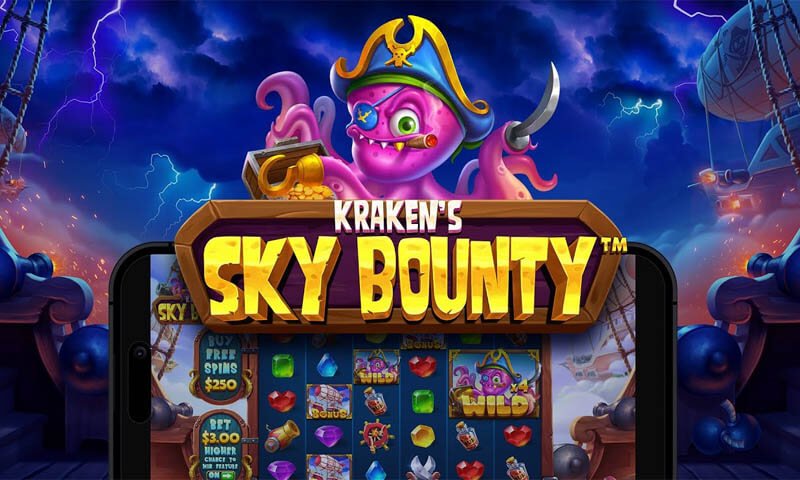
My process was systematic and had no mercy. I utilized multiple devices. A high-refresh-rate gaming monitor with a powerful desktop PC was my baseline. I also evaluated on a standard laptop, a current iPad, and several Android and iOS phones found locally. I employed browser developer tools to track frame rate timelines, network requests, and GPU load. But the subjective human experience was what counted most. I played for long sessions, noting every dropped frame in a complex bonus round, any lag in a menu, any delay between clicking ‘spin’ and the reels moving. I concentrated on transitional animations—how smoothly the game lobby slides into view, how a pop-up window emerges when you check your bonus balance. These micro-interactions are the foundation of the experience. Their quality reveals everything.
Comparing Against Industry Leaders
To give proper context, I contrasted Hollywin’s performance to a shortlist of other casinos. These are internationally acknowledged brands present locally, known for their software quality. The evaluation wasn’t about game libraries. It was purely about that smooth feel of interaction. I gauged initial game load times, looked for pre-loaders on complex features, and monitored animation consistency during intense sequences like free spin rounds. This comparison is vital for New Zealand players who have options. Recognizing where Hollywin sits on the spectrum from clunky to buttery-smooth enables you make an informed selection. A casino can have a fantastic welcome offer, but if the core experience grates, that offer loses its value fast.
Real-Time Casino Graphics: The Ultimate Real-Time Test
If RNG slots test visual performance, the live casino tests video streaming and live interaction smoothness. Here, animation smoothness means streaming lag and stability. I played at various blackjack, roulette, and game show tables from Evolution and other leading studios. The stream quality was always high-definition with minimal buffering. The key real-time sensation was undoubtedly there. The distribution of cards, the wheel spin, the dealer actions were all in almost perfect synchronization with the on-screen betting interface. The lag between a real action in the studio and it showing up on my screen in Christchurch was very small. It was comfortably inside the acceptable range for decision-based play like live blackjack. This responsive, smooth experience is everything for achieving an genuine gaming ambiance and for making timely decisions. Any hiccup or delay here ruins the illusion and the usefulness of the product.
Various Camera Perspectives and Responsive Bonus Elements
Today’s live casino games aren’t static streams. They’re engaging shows. I tested games with several camera views, like Lightning Roulette, and engaging bonus rounds, like Dream Catcher. Toggling between the standard, wheel, and overhead views was instantaneous and seamless. No spinning wheel appeared. When the special wheel in Dream Catcher triggered, the transition from the main game to the close-up wheel spin was flawless. This seamlessness in transitioning between modes and triggering bonus features shows the studio’s quality and Hollywin’s broadcast system are both on point. It ensures that the additional interactive elements work as designed. The outcome is a dynamic, immersive experience that feels both televisual and interactive. That’s a mix sought after by discerning players here.
Notable Aspects and Slight Issues
To be completely honest, no platform is entirely without fault https://holly-win.eu/en-nz/. My testing found rare, minor hiccups. In particular, when first loading a very demanding slot game during a test during busy evening times, the startup animation of the game logo could sometimes be marginally less seamless before the game fully cached. This happened just one time each session and never affected the playing itself. Also, on one dated Android handset with restricted memory, transitioning out of a extended bonus game back to the base game caused a short half-second delay. These are uncommon scenarios. But a perfectionist notes them. These instances were the exception, not the rule. On common devices and connections used by the majority of New Zealanders, the experience stayed reliably superb. Even with these minor flaws, Hollywin’s performance sits in the highest class.
The Influence of New Zealand ISPs and Individual Device Condition
We also have to consider performance inside the NZ internet landscape. A player’s experience can be determined by their ISP’s network path, their Wi-Fi setup, or the state of their own device. Apps running in the background, outdated browsers, or low device memory can reduce animation fluidity on any site. I adjusted for these elements as much as possible, testing on pristine, optimised hardware. My advice for any Kiwi player is to make sure their own setup is in good order. Maintain an up-to-date browser. Clear the cache now and then. Connect to a stable network. Taking these steps assures you’ll experience Hollywin at its absolute best. The platform provides the capability for a wonderfully fluid experience. Your final connection link and hardware need to match its potential.
Ultimate Verdict: A Platform Constructed for Smooth Play
My comprehensive analysis results in a definite verdict. As a New Zealand perfectionist, I can say Hollywin Casino provides a standard of animation smoothness that ranks with the top available here. From the slick interface navigation to the impeccable execution of complex slot features and the low-latency thrill of the live casino, the platform demonstrates a strong investment in front-end excellence. This isn’t a casino where you’ll be bothered by jarring transitions or annoyed by lagging reels. Instead, it presents a always polished, immersive, and technically proficient environment. Here, the technology serves the game, not the other way around. For Kiwi players who desire a smooth, trustworthy, and visually satisfying gaming session—whether on city fibre or a stable mobile link in the regions—Hollywin offers a attractive and highly fluid proposition.
Hollywin Casino has passed a strict smoothness test. The careful detail in its animations and transitions builds a better user experience that promotes trust and increases enjoyment. For the discerning New Zealand player, this technical excellence provides a strong foundation for a rewarding online casino experience. Every spin and every deal offers a gratifying, seamless polish.
 ALKALINE WATER