








Exploring the cultural significance of gambling around the world

Exploring the cultural significance of gambling around the world
The Historical Roots of Gambling
Gambling has been an intrinsic part of human civilization for thousands of years, dating back to ancient cultures. Archaeological evidence shows that dice, made from materials such as bones, were used by the Egyptians around 3000 BCE. Similarly, in ancient China, games involving betting on outcomes were prevalent, indicating that gambling was not merely a pastime but a social activity intertwined with culture and belief systems. The historical roots of gambling reveal its profound impact on community dynamics and social cohesion.

Over the centuries, different cultures adapted gambling practices to fit their societal norms and values. In ancient Rome, for example, betting on chariot races and gladiatorial games not only entertained but also unified spectators, fostering a sense of community. In contrast, religious authorities in various societies often viewed gambling with skepticism, associating it with vice and moral decay. This duality highlights the complexity of gambling as both a source of entertainment and a contentious societal issue.
As civilization progressed, gambling evolved, incorporating various games and betting methods. The introduction of playing cards in the 14th century and the establishment of state lotteries in the 16th century marked significant milestones. These developments laid the foundation for modern gaming, which now includes diverse forms of gambling, from casual games to elaborate casino setups, each reflecting the cultural values of their respective societies.
Gambling as a Social Activity
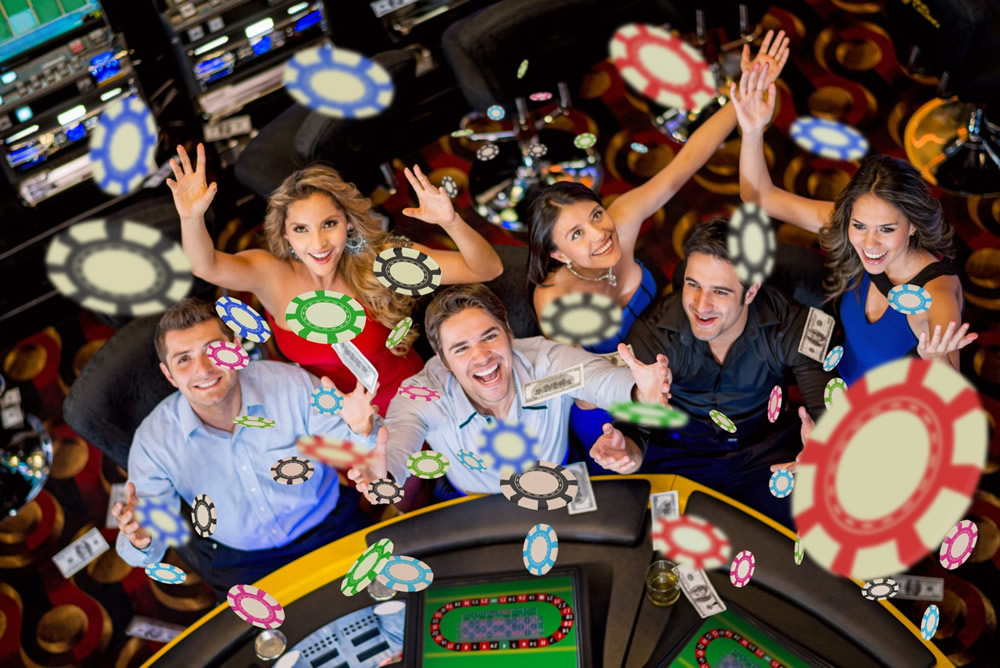
In many cultures, gambling serves as a key social activity that fosters connections among individuals. Casinos and gaming houses have emerged as popular venues where people gather not only to play but also to socialize, share stories, and build relationships. This communal aspect transforms gambling from an isolated act into a shared experience, making it an integral part of celebrations and gatherings across various cultures.
For instance, in the United States, gambling often accompanies major sporting events, like the Super Bowl, where friends and family come together to place bets and enjoy the thrill of the game. Similarly, in Asian cultures, gambling is a common feature during festive occasions such as Lunar New Year celebrations, where games of chance are played as a means to bring luck and prosperity for the year ahead. These cultural practices highlight how gambling can bridge social divides and reinforce communal ties.
However, this social integration of gambling is not without its challenges. While it can strengthen bonds, excessive gambling can also lead to addiction and financial ruin, affecting relationships and communities. Thus, understanding the social implications of gambling is crucial in fostering responsible gambling practices while celebrating its role as a cultural phenomenon.
The Influence of Technology on Gambling
The advent of technology has revolutionized the gambling landscape, making it more accessible and diverse than ever before. Online gambling platforms, mobile applications, and virtual reality games have changed how people engage with gambling, allowing them to participate from the comfort of their homes. This shift has broadened the audience, attracting younger generations who prefer the convenience of digital gaming.
Furthermore, technology has enhanced the gaming experience through sophisticated graphics and immersive environments. Online casinos offer features like live dealer games, where players can interact with real dealers and other participants in real time, merging the physical and digital realms. This innovation not only adds excitement but also retains the social aspect that traditional gambling venues provide, demonstrating how technology can preserve cultural elements while modernizing them.
However, the rise of online gambling also presents challenges, particularly regarding regulation and responsible gaming. As more players engage in digital gambling, ensuring fair play and protecting consumers becomes paramount. Thus, as technology continues to shape the future of gambling, striking a balance between innovation and ethical considerations will be vital in maintaining its cultural significance.
Gambling and Cultural Identity
Gambling often plays a pivotal role in shaping cultural identities. In many societies, traditional games that involve betting reflect historical values and community customs. For example, the game of Mahjong in China is not only a form of gambling but also a cultural ritual that signifies family unity and social bonding. These traditional games serve as a testament to a community’s heritage and collective identity.
In addition, the way gambling is perceived in different cultures can illuminate broader societal attitudes towards risk, fortune, and morality. For instance, in some cultures, gambling is embraced as a means of social interaction and entertainment, while in others, it may be viewed as a taboo activity associated with shame and loss. Understanding these cultural perceptions helps clarify why gambling manifests differently across regions and societies.
Furthermore, the globalization of gambling has led to a blending of various cultural practices, creating new forms of gaming that reflect a fusion of traditions. As cultures interact, they share their gambling customs, leading to innovative gaming experiences that may incorporate elements from multiple origins. This exchange enriches the global gambling landscape while reinforcing its cultural significance.
Online Gambling and Modern Culture
The rise of online gambling has significantly impacted contemporary culture, reshaping how individuals view and engage with gaming. This digital transformation has created new opportunities for social interaction and entertainment, making it easier for people to connect over shared interests, regardless of geographical boundaries. The online gaming community has emerged as a vibrant culture in its own right, fostering camaraderie and collaboration among players worldwide.
Moreover, online gambling has integrated seamlessly into modern life, with many individuals viewing it as a form of leisure rather than a vice. This shift has been further amplified by social media and streaming platforms, where players can showcase their gaming experiences, connect with others, and learn strategies. As a result, gambling has transcended traditional boundaries, becoming a global phenomenon that influences popular culture.
However, the increased accessibility of online gambling also raises concerns regarding responsible gambling and addiction. As more people engage in digital gaming, it is essential to implement safeguards and promote awareness to protect vulnerable individuals. Finding a balance between the cultural significance of gambling and the need for responsible practices will be crucial as online gaming continues to evolve.
Candyland Casino: A Modern Gaming Hub
Candyland Casino stands out as a premier online gaming destination that embodies the contemporary evolution of gambling culture. Tailored for Australian players, it offers a vast library of over 3,200 games, ranging from popular pokies to classic table games, reflecting the diverse preferences of the modern gamer. This extensive selection ensures that players can find games that resonate with their interests and cultural backgrounds, especially at Candyland Casino.
The platform prioritizes player satisfaction with a generous $400 no deposit bonus for new users, along with ongoing promotions that reward loyalty. Candyland Casino exemplifies the modern approach to gaming, focusing on security and convenience, ensuring safe transactions and 24/7 customer support. This commitment to player experience enhances the cultural significance of gambling by creating an inviting environment that fosters engagement and community.
As online gambling continues to reshape cultural norms, Candyland Casino remains at the forefront, integrating innovative design and user-friendly features. It illustrates how modern gaming platforms can maintain the cultural essence of gambling while adapting to contemporary needs, bridging the gap between tradition and innovation in a rapidly evolving landscape.
 ALKALINE WATER